SILK: Sustainable Information Lifecycle of Kervansaray
A digital heritage project that documents the caravanserais of Anatolia with mapping, photogrammetry, 360° imagery and virtual reality, so that these buildings can be preserved, studied and remembered.
- MY ROLE
- Game and VR advisor; AR gamified experience developer and designer, HCI researcher
- DIRECTOR
- Assoc. Prof. Güzden Varinlioğlu
- PARTNER
- Design Computation Lab, Department of Architecture, MIT (Assoc. Prof. Takehiko Nagakura)
- FUNDER
- U.S. Department of State
The project
SILK (Sustainable Information Lifecycle of Kervansaray) is directed by Assoc. Prof. Güzden Varinlioğlu and funded by the U.S. Department of State, in partnership with the Design Computation Lab at MIT. It researches the preservation of and public awareness about the tangible and intangible heritage of the caravanserais of Turkey through field surveys.
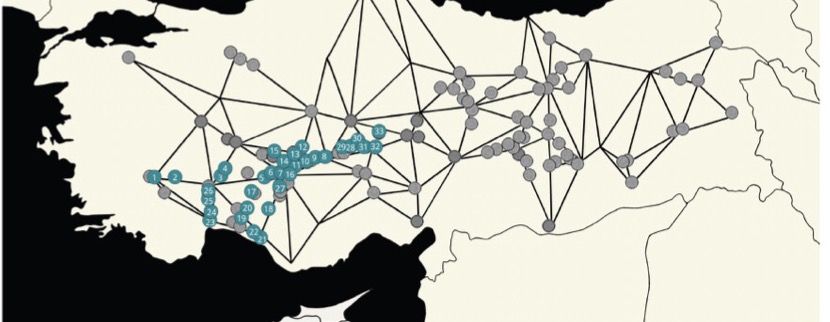
The team has travelled more than 6000 km and visited more than 30 caravanserais in western and central Turkey, creating a digital virtual reality experience of each of them. The goal is to preserve, protect and remember this part of Turkish heritage.
Methods
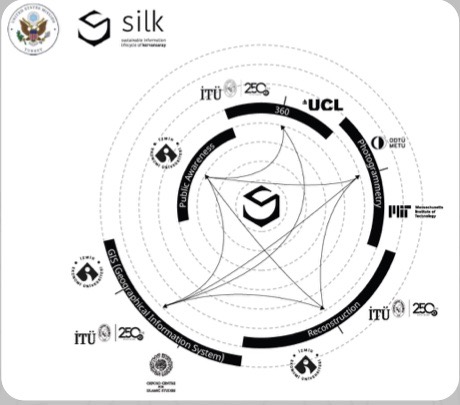
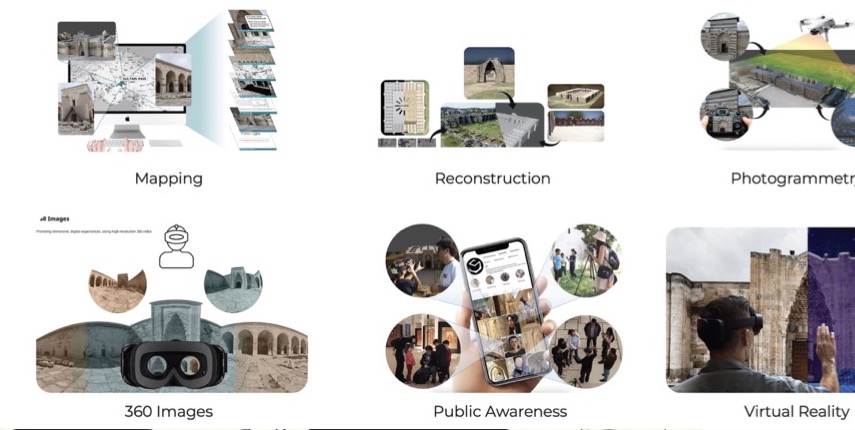
SILK combines six forms of work, each feeding the others:
- Mapping of the caravanserais and the routes between them.
- Reconstruction from plans, survey and imagery.
- Photogrammetry, including drone capture, to produce 3D models (published on Sketchfab).
- 360° images for immersive, high-resolution virtual tours.
- Public awareness through social media and field outreach.
- Virtual reality experiences that let visitors walk through the buildings.
My part
I joined as a game and VR advisor and worked on the immersive side of the project: designing and developing gamified, AR-oriented experiences around the captured sites, and researching how people use them as an HCI researcher. This builds on my earlier Silk Roads work, the Digital Caravanserai game series.
Where to see it
The project site, the Sketchfab collection of models and the project's YouTube playlist are the public record. The map below, from the project materials, shows the surveyed caravanserais within the wider network of Anatolian routes.
Gallery